


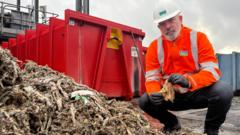
Wet wipes have long been identified as a significant contributor to blockages within wastewater infrastructure, a problem that costs water companies substantial sums annually and poses environmental risks. Many of these obstructions are attributed to wipes containing plastic, which do not disintegrate readily in the sewage system. These plastic-infused products combine with fats, oils, and greases to form resilient “fatbergs” that impede the flow of wastewater, sometimes leading to sewage backing up into homes or overflowing into natural water bodies.
In response to this persistent challenge, there has been a concerted push within the industry to reformulate wet wipes, moving away from plastic-based materials. Manufacturers are increasingly introducing products marketed as “plastic-free” or “flushable,” aiming to provide more environmentally responsible options that are less likely to cause damage to drainage systems. This shift is seen as a positive step towards mitigating the issue of non-biodegradable waste in our pipes.
However, despite these advancements, a debate continues regarding the true flushability of even these newer, plastic-free alternatives. While some products may meet specific industry standards for flushability, water companies often maintain a cautious stance. Their concern stems from the fact that even wipes designed to break down can still contribute to blockages if they do not disintegrate quickly enough or if they accumulate in sufficient quantities within the pipe network. The real-world conditions of sewage systems, including varying water flows and pipe gradients, can differ significantly from laboratory testing environments.
Consequently, many water utility providers continue to advise consumers against flushing any type of wet wipe, regardless of claims of being plastic-free or flushable. Their consistent recommendation aligns with the “three Ps” rule: only pee, poo, and (toilet) paper should ever be flushed down the toilet. All other items, including all varieties of wet wipes, are best disposed of in a waste bin to safeguard the integrity of the wastewater system and prevent costly and environmentally damaging blockages. The move away from plastic in wet wipes is a welcome development, yet the overarching message remains that proper disposal is key to protecting our infrastructure and environment.