


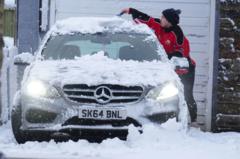
As temperatures plummet and frosty conditions become a regular morning occurrence, motorists frequently face the challenge of a frozen windscreen. Ensuring clear visibility is paramount for road safety, yet attempting to clear ice with improper methods can lead to significant damage to your vehicle. A common, but highly ill-advised, approach is using boiling water. Experts universally warn against this, as the extreme temperature difference between the hot water and the cold glass can induce thermal shock, potentially causing the windscreen to crack. Furthermore, very hot water can degrade rubber seals around the windows and damage wiper blades.
For safe and effective de-icing, a more methodical approach is recommended. The most practical method involves the use of a good quality ice scraper combined with a specialized de-icing spray. Apply the de-icer generously across the frosted glass, allowing it a short time to penetrate and loosen the ice before gently scraping it away. Always push the ice off the glass rather than dragging it across, which can prevent scratching the surface.
Utilizing your car’s own heating and ventilation system is another highly effective strategy. Start your engine and direct the vehicle’s heater towards the windscreen, ensuring the defrost setting is engaged. Activating the air conditioning system, even during colder months, can help dehumidify the air inside the car, speeding up the defrosting process and preventing interior fogging.
To minimize the effort required each morning, consider preventative measures. Placing a windscreen cover or even a sheet of cardboard over the glass overnight can significantly reduce ice accumulation. Some drivers also find homemade solutions, such as a spray bottle mixture of rubbing alcohol and water, useful for light frost or as a pre-treatment.
If water is your preferred option, ensure it is lukewarm, not hot. Tap water that is cool to the touch but not icy is a safer alternative to boiling water, though it should still be used with care to avoid any sudden temperature shifts. Always remember to clear all windows, side mirrors, and vehicle lights completely before beginning your journey, and never leave an idling vehicle unattended.