


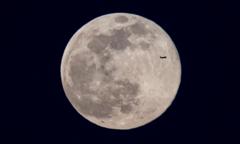
The full Moon in February, often referred to as the Snow Moon, presents an opportunity to observe the final full lunar phase of winter. While astronomical events like full moons are predictable, specific viewing conditions are subject to local weather patterns. To best witness the Snow Moon, individuals should consult local weather forecasts for clear skies. Optimal viewing times typically occur after sunset and before sunrise, when the Moon is visible above the horizon. Observing the Moon requires minimal equipment; a clear line of sight to the sky is generally sufficient. For those interested in a closer look, binoculars or a telescope can enhance the viewing experience by revealing surface details. The term “Snow Moon” originates from traditional folklore, often associated with heavy snowfall during the month of February. The moon’s appearance itself, however, is not directly influenced by winter conditions, but rather by its orbital position relative to the Earth and the Sun. The full moon occurs when the Earth is positioned directly between the Sun and the Moon. Observers should be aware that light pollution can impact visibility, and finding a location away from city lights can significantly improve the viewing experience. The exact timing of the full moon can be found through astronomical calendars or online resources, allowing for planned observation.
Snow Moon: How to see the last full moon of winter


- Advertisment -