


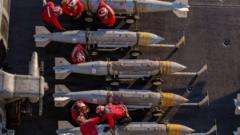
The availability of military hardware and ammunition stands as a pivotal, though not singular, element in determining the trajectory of any protracted military engagement, including a potential conflict involving Iran. As noted by defense analysts, the sheer volume and operational readiness of weapons stockpiles can profoundly influence a belligerent’s capacity to sustain offensive actions, mount robust defenses, and maintain operational tempo over an extended period.
Should either side in such a conflict face significant depletion of its armaments, it would likely necessitate a reassessment of strategic objectives and tactical approaches. A scarcity of precision-guided munitions, for instance, could force a reliance on less accurate or more resource-intensive alternatives, potentially increasing collateral damage or reducing the effectiveness of strikes. Similarly, a shortage of artillery shells, anti-tank missiles, or air defense interceptors could critically weaken front-line capabilities and expose forces to greater risks.
The ramifications extend beyond immediate battlefield performance. Nations with dwindling arsenals might be compelled to seek rapid replenishment from international partners, potentially altering geopolitical alliances and supply chains. This reliance on external support introduces its own vulnerabilities, as supply lines can be interdicted and political will to provide aid can fluctuate. Furthermore, the industrial capacity to produce replacements domestically becomes a critical strategic asset, highlighting the importance of a robust defense manufacturing base.
A state grappling with exhausted weapons inventories might also find its deterrence capabilities diminished, potentially inviting further aggression or limiting its diplomatic leverage. Conversely, adversaries might interpret such a depletion as an opportunity to press their advantage. While factors such as troop morale, intelligence superiority, logistical efficiency, and effective leadership are undeniably crucial, the material foundation of military power—its weapons and ammunition—provides the tangible means through which these other elements are expressed. Therefore, the state of weapons stockpiles remains a significant, if not exclusive, determinant in shaping the potential outcomes and duration of a conflict in the region.