


The ongoing military campaign in the Middle East has entered a critical phase, with Israeli officials actively presenting the conflict’s outcomes as strategically advantageous for the nation. This framing suggests a significant reordering of regional power dynamics, perceived by some Israeli leaders as shifting in their favor. This optimistic assessment comes amidst increasing international and domestic pressure for a resolution to the protracted hostilities, a factor that is now profoundly shaping the political landscape for the current Israeli leadership.
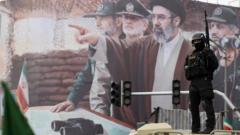
As the conflict continues, a parallel development concerning Iran is influencing regional calculations. Earlier expectations or hopes for a swift internal regime change within Iran appear to be diminishing. This fading prospect alters the strategic environment for Israel, necessitating a re-evaluation of long-term security approaches in the absence of a fundamental shift in Tehran’s governance. The stability of the Iranian regime, despite internal challenges, requires Israel to adjust its foreign policy and security planning, particularly regarding regional proxies and nuclear ambitions.
This complex interplay of events places Prime Minister Benjamin Netanyahu at the epicenter of a formidable political test. He faces the dual challenge of navigating intense international calls for a ceasefire and managing the evolving regional security architecture, especially with a seemingly entrenched Iranian leadership. The narrative being crafted by Israeli leaders about the conflict’s transformative impact aims to solidify domestic support and project strength internationally. However, the burgeoning pressure to halt military operations, combined with the recalibration of strategy necessitated by Iran’s enduring regime, creates a demanding political environment. Netanyahu’s ability to maintain a cohesive government and define a clear path forward, balancing security imperatives with diplomatic demands, will be the ultimate measure of his political resilience in this turbulent period.