


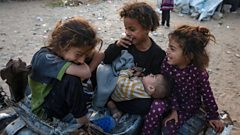
Children growing up amidst conflict zones endure experiences that leave indelible marks, particularly on their developing brains. The relentless exposure to violence, loss, and instability presents profound challenges to neurological and psychological well-being. A critical area of concern highlighted by veteran war reporters, such as Fergal Keane, is the widespread prevalence of Post-Traumatic Stress Disorder (PTSD) among these vulnerable populations across the globe.
The impact of war on a child’s brain is multifaceted and severe. Chronic stress and trauma, characteristic of conflict environments, can disrupt the normal development of key brain regions responsible for emotional regulation, memory, and cognitive function. The amygdala, often overactivated by constant threat, can lead to heightened fear responses, while the hippocampus, vital for memory, may show reduced volume. Furthermore, the prefrontal cortex, crucial for decision-making and impulse control, can be underdeveloped or impaired, potentially affecting learning, behavior, and social interactions for years to come.
These neurological alterations contribute significantly to the symptoms of PTSD observed in children. These can manifest as persistent anxiety, nightmares, flashbacks, difficulty concentrating, hypervigilance, and emotional numbing. Such conditions not only compromise a child’s immediate safety and mental health but also pose substantial barriers to their education, social integration, and overall developmental trajectory.
Reporting from numerous conflict-ridden areas worldwide consistently reveals the devastating human cost, with children often being the silent victims whose internal struggles are less visible but no less debilitating. The insights from seasoned journalists underscore an urgent need for greater understanding and robust interventions to address the neurological and psychological wounds inflicted by war, ensuring that these young survivors receive the necessary support to mitigate the long-term consequences of trauma.