


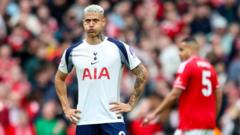
The atmosphere around Tottenham Hotspur’s camp is undeniably tense following yet another damaging defeat, casting a dark cloud over manager Igor Tudor’s tenure. The latest setback has intensified scrutiny, with many observers now questioning the viability of his continued leadership at the club.
Pressure has been building steadily on Tudor, fueled by inconsistent performances and a perceived lack of progress. The recent loss, described as ‘damaging,’ appears to have pushed frustrations to a tipping point among both the fanbase and sections of the media. Analysts are now dissecting every aspect of his management, from tactical decisions to player motivation, seeking answers to the team’s struggles.
The sentiment that it’s ‘impossible for him to stay’ stems from a combination of factors. Persistent failure to achieve desired results, especially in key fixtures, coupled with a perceived disconnect with the club’s ambitious objectives, have eroded confidence. Supporters, known for their high expectations, are increasingly vocal about their discontent, making Tudor’s position appear increasingly untenable.
Should the club decide a change is necessary, the search for a successor would immediately become paramount. This involves not only identifying a candidate capable of galvanizing the squad and delivering improved performances but also someone who aligns with Tottenham’s long-term vision. The timing of such a decision would also carry significant implications for the remainder of the season, potentially disrupting momentum or, conversely, providing a much-needed fresh start.
The immediate future for Igor Tudor at Tottenham Hotspur hangs precariously in the balance. The club’s hierarchy faces a critical decision point, weighing the merits of continuity against the urgent need for a turnaround. The ramifications of their choice will undoubtedly shape the narrative for the team in the coming months.