


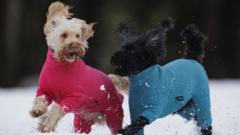
Walking your dog during colder weather requires careful consideration to ensure their safety and well-being. While many dogs still benefit from exercise and fresh air year-round, wintry conditions present unique challenges that pet owners must address. The decision to walk your dog, and for how long, depends on several factors, including the specific temperature, wind chill, the presence of snow or ice, and your dog’s individual characteristics such as their breed, size, age, coat type, and overall health.
Small dogs, those with thin coats, short legs, or breeds not naturally adapted to cold climates, are more susceptible to hypothermia and frostbite. Puppies, senior dogs, and pets with certain medical conditions, like arthritis or heart disease, also have a lower tolerance for cold temperatures. Even breeds with thick double coats can experience discomfort and risks if exposed for too long or if conditions are extreme.
When preparing for a winter walk, assess the weather carefully. Pay attention not just to the thermometer, but also to the wind chill, which can make the “feels like” temperature much colder. Consider outfitting your dog with appropriate winter gear. A warm dog coat or sweater can provide an essential layer of insulation, especially for short-haired breeds or those prone to cold. Paw protection, such as booties, is highly recommended to guard against ice, snow, salt, de-icing chemicals, and extremely cold surfaces. If booties aren’t an option, consider applying a paw balm before walks to create a protective barrier, and always wipe your dog’s paws thoroughly after returning inside to remove any irritants.
Keep walks shorter than usual during severe cold. Monitor your dog closely for any signs of distress, such as shivering, whining, slowing down, limping, or repeatedly lifting their paws. These are indicators that they are too cold and need to come indoors immediately. Avoid walking on icy surfaces, which can lead to slips, falls, and injuries, and steer clear of frozen ponds or lakes where the ice might be unstable.
Beyond walks, ensure your pet has a warm, dry place to rest indoors. Never leave a pet unattended in a cold car, as temperatures can drop rapidly and become life-threatening. Provide constant access to fresh, unfrozen water, as proper hydration is important even in cold weather. By being mindful of the weather, understanding your dog’s limits, and taking appropriate precautions, you can help your canine companion stay warm, safe, and active throughout the winter months.