


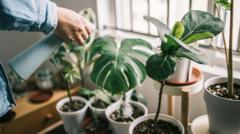
Many aspire to bring the vibrancy of nature indoors, only to find their green companions quickly wilt. If you’ve earned a reputation for dispatching houseplants, fear not. Cultivating thriving indoor greenery is achievable, even for those with less-than-green thumbs. The secret lies in selecting resilient varieties and understanding their basic needs. Here are three remarkably forgiving plants and essential tips to ensure their vitality throughout every season.
First, consider the **Snake Plant** (Sansevieria). Renowned for its almost indestructible nature, it tolerates neglect better than overcare. These architectural plants thrive on infrequent watering; allow the soil to completely dry out between sessions. They are highly adaptable to light conditions, from bright, indirect sun to relatively low light environments, making them ideal for various spots in your home. Overwatering is their primary enemy, so err on the side of caution.
Next is the **ZZ Plant** (Zamioculcas zamiifolia), another champion of endurance. Its thick, waxy leaves and rhizomatous roots store water, allowing it to withstand prolonged periods without hydration. Like the snake plant, it prefers its soil to thoroughly dry before its next drink. The ZZ plant is equally comfortable in low to medium indirect light, though brighter conditions can encourage more vigorous growth. It’s an excellent choice for busy individuals or those prone to forgetting watering schedules.
Finally, the **Pothos** (Epipremnum aureum) offers a beautiful cascading form and remarkable resilience. This versatile vine communicates its needs clearly; its leaves will droop noticeably when thirsty, perking back up after watering. Pothos appreciates bright, indirect light but can tolerate lower light levels, though its variegation might diminish. Water when the top inch or two of soil feels dry, but avoid letting it sit in soggy conditions. Regular pruning not only maintains its shape but also encourages bushier growth.
For year-round health across all these varieties, remember a few universal principles. Good drainage is paramount; always use pots with drainage holes. Fertilize sparingly, perhaps once or twice during the growing season (spring and summer), and avoid feeding in winter. Dust leaves periodically to ensure efficient photosynthesis. Observing your plants for subtle changes in leaf color or texture will help you preempt potential issues, transforming you from a houseplant killer into a proud plant parent.