


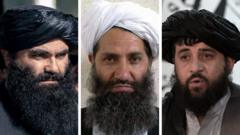
A recent investigation by the BBC has unearthed significant fissures within the upper echelons of the Taliban leadership, shedding light on profound disagreements that risk splintering the ruling group in Afghanistan. These internal divisions, which a prominent Taliban leader reportedly warned about previously, revolve around critical policy areas, most notably the status and rights of women, the management of internet access across the country, and divergent interpretations of religious governance.
The BBC’s findings detail a stark clash of philosophies among senior figures regarding the role of women in society, education, and public life. While some factions advocate for stricter controls aligning with a conservative interpretation of religious law, others reportedly hold views that might allow for greater engagement, even if still within strict parameters. This fundamental disagreement is a persistent point of contention that influences various aspects of policy.
Further exacerbating the internal strife is the question of technology and its control, particularly evidenced by recent decisions surrounding Afghanistan’s internet infrastructure. The report links the ongoing debate over internet shutdowns and censorship to the power struggles within the leadership, indicating a conflict between those who prioritize information control and those who may recognize the practical or political implications of complete digital isolation. This ideological battle over digital access is a clear manifestation of the deeper rift.
Compounding these issues are varying approaches to religious doctrine and its practical application in state administration. The investigation suggests that differing interpretations of Islamic law contribute significantly to the ongoing disagreements, affecting not only social policies but also economic and administrative decisions. These divergences illustrate a struggle for the ideological direction of the Taliban’s rule, revealing a complex internal dynamic that could have lasting implications for Afghanistan’s future. The findings underscore a period of profound internal uncertainty at the highest levels of the Taliban government.