


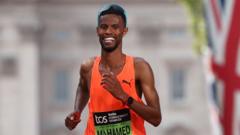
The dedication required for an elite marathon training regimen is immense, demanding relentless physical and mental exertion. For a top-tier athlete preparing to compete at an event as prestigious as the London Marathon, this commitment typically involves carefully calibrated nutrition, precise training schedules, and ample recovery. However, an additional layer of challenge emerges when an athlete observes Ramadan, incorporating fasting from dawn till dusk into an already rigorous schedule.
Balancing the intense demands of high-performance sport with the spiritual discipline of Ramadan necessitates significant adjustments. Maintaining peak physical condition while abstaining from food and water for extended periods during daylight hours presents unique physiological hurdles. Athletes must meticulously plan their training sessions, often shifting them to early morning before suhoor or late evening after iftar, to maximize energy and hydration around fasting periods. Dietary strategies become critical, focusing on nutrient-dense meals during non-fasting hours to sustain energy levels, aid muscle repair, and prevent dehydration.
This balancing act underscores a profound personal conviction where spiritual observance takes precedence even amidst the pursuit of athletic greatness. While the physical toll of a marathon training block is well-understood, integrating fasting adds an unparalleled test of resilience and focus. It highlights an athlete’s ability to draw strength not only from physical conditioning but also from inner resolve and faith. The narrative transcends mere athletic ambition, revealing a deeper commitment to values that extend beyond the finish line, asserting that certain personal and spiritual priorities ultimately stand above even the most demanding professional pursuits.