


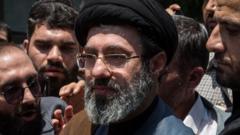
The prospective elevation of Mojtaba Khamenei to a position of leadership, potentially as successor to his father, has sharply divided opinion across Iran. Among segments of the population aligned with the established order, the development is largely welcomed. These groups express support, viewing the succession as a move that ensures continuity, reinforces the foundational principles of the Islamic Republic, and maintains stability within the political and religious framework. They may perceive it as a natural progression within the existing system, vital for the nation’s future direction and the preservation of its revolutionary ideals.
Conversely, a significant portion of Iranian society regards the potential ascent with skepticism, anticipating little to no fundamental alteration in the country’s governance. This segment believes that such a transition primarily entrenches the current power structures and political philosophy, signaling an absence of genuine reform or a shift away from existing policies. For them, the appointment is less about transformative change and more about maintaining the status quo, suggesting that the underlying challenges and societal demands for broader modifications in how Iran is ruled will likely remain unaddressed. This stark divergence of views underscores a deep internal debate about the nation’s trajectory and its future leadership.