


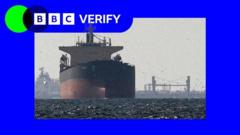
Assessing the efficacy of the United States’ pressure campaign on Iran, particularly concerning its strategic implications around the Strait of Hormuz, presents a complex picture with varied outcomes. The comprehensive suite of sanctions and diplomatic isolation, often described as a blockade, aims to curtail Tehran’s nuclear ambitions, destabilize its regional influence, and disrupt its financing of proxy groups. A key focus of these measures is Iran’s ability to export oil, a critical lifeline for its economy, with naval patrols and intelligence gathering efforts in the Arabian Gulf and near the Strait of Hormuz designed to monitor and deter illicit trade.
Proponents of the blockade argue that it has successfully inflicted significant economic damage on Iran. Reports indicate a substantial reduction in the nation’s oil exports, leading to a severe depreciation of its currency, soaring inflation, and a general contraction of its economy. This economic strain, it is suggested, has limited Iran’s capacity to fund its military development and support its proxies to the same extent as before. Furthermore, the isolation has reportedly hindered Iran’s access to vital technologies and foreign investment, forcing the government to explore alternative, often less efficient, economic avenues and partnerships.
However, critics and some analysts question the overall effectiveness and long-term viability of the strategy. They point to Iran’s proven resilience in navigating international sanctions, often finding ways to circumvent restrictions through smuggling networks, illicit oil transfers, and developing indigenous capabilities. Despite economic hardships, the Iranian leadership has largely maintained its hardline stance, and there is little evidence to suggest a fundamental shift in its foreign policy or nuclear program. Instead, some argue that the pressure has hardened resolve within Iran, potentially driving its nuclear activities further underground and contributing to regional instability through tit-for-tat actions, cyberattacks, and increased tensions in crucial waterways like the Strait of Hormuz.
The humanitarian impact of broad economic sanctions also remains a point of contention, with concerns raised about their effect on the availability of essential goods, including medicines. Moreover, the strategic environment around the Strait of Hormuz has become increasingly volatile, with periodic confrontations and incidents involving Iranian forces and international shipping, underscoring the delicate balance of power and the potential for escalation. Ultimately, whether the US blockade is “working” depends heavily on the metrics used for evaluation, ranging from short-term economic disruption to long-term strategic objectives and the avoidance of further regional conflict. The ongoing debate highlights the multifaceted nature of such geopolitical pressure campaigns and their often unpredictable consequences.