


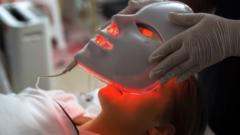
The growing fascination with red light therapy, encompassing everything from full-body beds to targeted LED facial masks, has sparked considerable interest regarding its actual benefits. Proponents often highlight its potential in areas such as muscle recovery and the enhancement of skin appearance. Specific claims frequently suggest that consistent exposure to certain wavelengths of red light might aid in cellular regeneration, potentially reducing inflammation and contributing to the repair of muscle tissue following physical exertion. Similarly, in the realm of aesthetics, enthusiasts believe it can stimulate collagen production, leading to a visible reduction in fine lines and wrinkles, thereby promoting a more youthful complexion.
However, the scientific community holds a more nuanced view, emphasizing that the true efficacy of red light therapy for these purported benefits remains a subject of ongoing discussion and rigorous investigation. While preliminary studies and anecdotal evidence suggest promising outcomes, large-scale, independently funded clinical trials are often cited as insufficient to conclusively validate all the widespread claims. Researchers point to the variability in devices, light intensity, treatment protocols, and the need for standardized methodologies across studies. This divergence between popular enthusiasm and confirmed scientific consensus means that whether red light genuinely possesses the capacity to significantly repair muscles or rejuvenate skin beyond a placebo effect or minor improvements is still very much under scientific scrutiny. Consumers are therefore advised to approach these technologies with an informed perspective, recognizing the current boundaries of established evidence.