


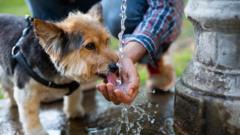
When temperatures soar, keeping pets safe and comfortable becomes a top priority for owners. Recognizing the warning signs of heatstroke in dogs is crucial for prompt intervention, which can be life-saving. Heatstroke, also known as hyperthermia, occurs when a dog’s body temperature rises to a dangerous level and they are unable to cool themselves down effectively.
Several indicators can signal that a dog is suffering from heatstroke. Excessive panting, far more than what is typical for the dog, is a primary sign. This panting may also be accompanied by heavy drooling, often thick and sticky. A dog experiencing heatstroke might also exhibit red gums, a bright red tongue, or pale gums depending on the severity.
Behavioral changes are also noteworthy. A dog that is usually active might become lethargic, weak, or even disoriented. They may stumble, have difficulty standing, or appear unsteady on their feet. In more severe cases, vomiting and diarrhea, sometimes with blood, can occur. A rapid heart rate and difficulty breathing are also critical symptoms. As the condition progresses, a dog may experience seizures, collapse, or fall into a coma.
Preventing heatstroke is paramount. Always ensure dogs have access to plenty of fresh, cool water, especially when outdoors. Provide shaded areas where they can escape direct sunlight. Avoid strenuous exercise during the hottest parts of the day. Never leave a dog in a parked car, even for a short period, as temperatures inside can rise rapidly to lethal levels. If you suspect your dog is suffering from heatstroke, seek immediate veterinary attention. While waiting for professional help, move the dog to a cooler environment and offer small amounts of cool water, but avoid forcing them to drink. Applying cool, damp cloths to the body, focusing on the groin, armpits, and neck, can help lower their temperature gradually.