


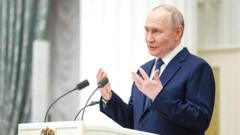
President Vladimir Putin continues to maintain an unyielding stance regarding Russia’s military campaign in Ukraine, with reports indicating a significant intensification of attacks across various sectors. Despite this consistent official position and escalated operations, a discernible shift appears to be emerging within Russia’s internal discourse concerning the prolonged conflict.
After more than four years of sustained engagement, the protracted nature of the war is reportedly fostering increasing apprehension and fatigue among segments of the Russian population. This concern is not limited to traditional critics but is beginning to surface even within circles that have historically demonstrated strong loyalty to President Putin and the Kremlin’s foreign policy objectives. The enduring commitment of resources, the human cost, and the broader societal implications of a drawn-out military endeavor are becoming focal points of this evolving public sentiment.
While overt public dissent remains tightly managed, indications suggest a deepening introspection regarding the future trajectory and ultimate outcomes of the special military operation. Experts and analysts observe a nuanced development in how the war is discussed, moving beyond initial phases of unified support to a more complex consideration of its long-term effects on the nation. This evolving perspective highlights the challenges faced by the Russian state in maintaining consistent public consensus amidst the realities of an extended conflict. The question now looms whether this nascent shift in public discourse could eventually influence the strategic calculations concerning the ongoing hostilities.