


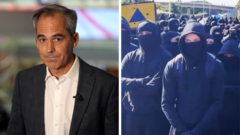
Recent weekends have seen a rise in anti-migrant protests across coastal towns, notably in Dover and Portsmouth, as concerns escalate over the increase in small boat crossings across the English Channel. These demonstrations often focus on government policy regarding asylum seekers and the perceived strain on local resources. Among the key figures involved in organising and leading these protests is Danny Thomas, whose activities have drawn public attention to the movement.
Thomas has been identified as a central figure in galvanising support for these demonstrations, which typically involve activists gathering to voice opposition to what they describe as illegal immigration via small vessels. The protests are largely concentrated in areas directly impacted by these arrivals, such as Dover, a primary port of entry, and Portsmouth, another significant coastal city. Organisers like Thomas articulate a range of grievances, including national security concerns, economic impacts, and the perceived failure of current immigration policies to deter crossings.
The demonstrations by groups associated with Danny Thomas and others highlight a contentious national debate. While protesters call for stricter border controls and more robust enforcement measures, humanitarian organisations and other stakeholders often point to international obligations and the complex factors driving individuals to seek asylum. The ongoing protests serve as a visible manifestation of these deeply divided perspectives, keeping the issue of small boat crossings and immigration policy at the forefront of public discourse. Authorities continue to monitor these events, which have at times seen counter-protests, reflecting the broader societal tensions surrounding migration.