


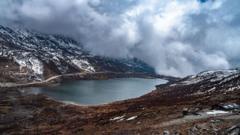
A recent comprehensive report highlights an alarming acceleration in the melting rate of Himalayan glaciers, posing significant and multifaceted risks to India. This rapid ice loss has profound implications for the nation’s critical water resources, its economic stability, and the well-being of numerous communities across the subcontinent.
The colossal ice reserves of the Himalayas are a primary source for several of Asia’s most vital river systems, including the Ganges, Indus, and Brahmaputra. The sustained shrinkage of these glaciers threatens to destabilize river flows, initially leading to increased meltwater discharges followed by a drastic reduction in water availability in the long term. This fluctuating water supply directly impacts agricultural output, which is heavily reliant on glacial melt for irrigation, potentially jeopardizing food security and the livelihoods of millions engaged in farming.
Economically, India stands to face severe challenges. The agricultural sector, a cornerstone of the Indian economy, is highly vulnerable to water scarcity. Beyond farming, the energy sector, particularly hydroelectric power generation, depends on consistent river flows, meaning disruptions could lead to power shortages and hinder industrial growth. Furthermore, water stress can exacerbate existing social inequalities and contribute to internal migration as populations seek more viable living conditions. Essential services like potable water supply for burgeoning urban centers also face an escalating threat, potentially leading to public health crises and increased operational costs. The overall impact could significantly impede India’s developmental trajectory and capacity for sustained economic growth.