


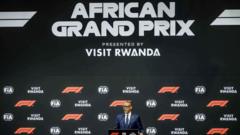
Rwanda has marked a truly historic milestone by securing the rights to host the Formula 1 African Grand Prix, an achievement that stands out significantly given previous attempts by other prominent nations on the continent. This landmark agreement positions Rwanda at the forefront of global motorsport, opening a new chapter for the sport in Africa.
For years, countries like Morocco and South Africa, with established motorsport traditions and infrastructure, have pursued the ambition of staging an F1 race. Despite their concerted efforts and past engagements with Formula 1 management, these bids ultimately did not materialize into a confirmed event. Rwanda’s success, therefore, highlights a unique confluence of factors that resonated with the sport’s governing bodies and commercial rights holders.
Key to this breakthrough appears to be a robust and forward-thinking governmental commitment, coupled with a strategic vision for national development and global engagement. While specific details of the agreement remain under wraps, securing such a high-profile international event typically necessitates substantial financial backing, guarantees of world-class infrastructure, and a comprehensive plan for logistical execution. Rwanda’s successful pitch likely demonstrated an unparalleled dedication to meeting these stringent requirements, potentially including significant investment in bespoke circuit development or upgrades to existing facilities, alongside a clear strategy for accommodating the immense influx of international visitors and technical teams.
Furthermore, the decision might also reflect Formula 1’s strategic interest in expanding its footprint into new, dynamic markets. Rwanda’s rapidly growing economy, stable political environment, and increasing visibility on the international stage could have presented a compelling proposition for F1, seeking to tap into fresh audiences and contribute to regional development. This long-term perspective, combined with a seemingly superior governmental partnership and a clear execution pathway, appears to have differentiated Rwanda’s bid from its predecessors, enabling it to clinch a deal that has eluded others for decades. The forthcoming African Grand Prix in Rwanda is thus not just a sporting event, but a testament to strategic national ambition and the ability to forge partnerships that deliver on global aspirations, setting a new benchmark for major international events on the African continent.