


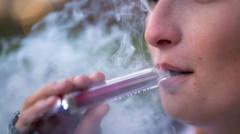
Recent statistics from the Office for National Statistics reveal a significant trend: over a million individuals in the UK who have never smoked conventional cigarettes are now regularly using vapes. This growing demographic presents a unique public health challenge, as it indicates a new pathway to nicotine consumption rather than solely serving as a smoking cessation aid for existing smokers.
Several factors contribute to this increasing uptake among non-smokers. A primary draw is often the wide array of appealing flavors available, ranging from sweet and fruity to dessert-inspired options, which can make vaping seem like a harmless recreational activity. The sleek designs and ease of accessibility of many vaping devices also play a role, making them attractive and simple to acquire. Social influence and peer trends, particularly among younger demographics, further normalize vaping, fostering a perception that it is a socially acceptable or even fashionable habit.
Furthermore, there is a common misconception that vaping is entirely benign or significantly safer than traditional smoking, leading many non-smokers to believe they are engaging in a low-risk behavior. While often touted as a less harmful alternative to combustible tobacco, the long-term health implications of inhaling heated vape aerosols and their chemical constituents are still largely unknown.
The “hooked” aspect arises from the nicotine content present in most vape liquids. Nicotine is a highly addictive substance, and regular use can quickly lead to dependence, even in individuals with no prior history of smoking. This can result in users experiencing cravings and withdrawal symptoms if they attempt to stop, effectively establishing a new addiction where none existed before. Consequently, what may begin as casual experimentation can evolve into a persistent daily habit, creating a new generation of nicotine users. This phenomenon underscores the need for continued research and public awareness regarding the potential for addiction and the evolving health landscape surrounding vaping products.