


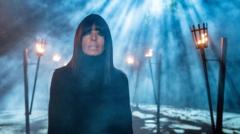
The psychological thriller “The Traitors” captures audiences with its intricate web of deception and alliances, yet the show’s compelling atmosphere extends far beyond its dramatic betrayals. A critical, often understated, element in shaping the viewing experience is the distinctive musical score. This soundtrack does more than just accompany the unfolding drama; it actively contributes to the program’s unique, often campy, tone, deeply influencing how viewers perceive and react to each twist and turn.
The music acts as an invisible narrator, enhancing the suspense during round table accusations and amplifying the shock of banishments. It employs specific sonic cues, such as the famous “braam” sound effect, which has become synonymous with moments of high tension and revelation. These auditory hallmarks are strategically deployed to create a heightened sense of theatricality, ensuring that even the most subtle glances or whispered conversations are imbued with dramatic weight.
Far from being a mere background element, the score for “The Traitors” is deliberately crafted to evoke a sense of high-stakes melodrama and playful suspense. It leans into a style that supports the show’s inherent theatricality, making the already intense psychological games feel even grander and more cinematic. This musical approach helps to solidify the program’s identity, distinguishing it from other reality competition shows by embracing a grander, more operatic sensibility. The strategic use of music ensures that every segment, from the seemingly innocuous breakfast scenes to the climactic confrontations, resonates with a potent emotional undercurrent, drawing viewers deeper into the world of Faithfuls and Traitors.