


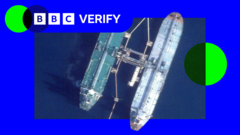
A tanker now in U.S. custody, allegedly involved in smuggling sanctioned oil, has a history of obscuring its actual whereabouts. Investigations by BBC Verify reveal the sophisticated methods employed to mask the vessel’s real-time location. This practice is not new and has been utilized by vessels operating in defiance of international sanctions, particularly those concerning oil exports from countries like Iran, China, and Venezuela.
The techniques involve a combination of disabling or manipulating Automatic Identification System (AIS) transponders, which are designed to broadcast a ship’s position. Ships can switch off their AIS, making them invisible to standard tracking systems, or, more subtly, broadcast false location data, effectively sending false signals about their whereabouts. This deliberate obfuscation allows sanctioned vessels to conduct illicit trades, like moving oil without being detected by authorities or maritime monitoring agencies.
The complexity of these operations often involves a network of intermediary companies and flag registries that can obscure ownership and operational control. By repeatedly changing flags or registering under shell companies, the true beneficial owners and the ultimate destination of the cargo become difficult to ascertain. This makes it challenging for law enforcement and international bodies to enforce sanctions effectively.
BBC Verify’s analysis points to a pattern of behavior where such tankers engage in practices like “going dark” – shutting off their AIS – or using techniques such as ship-to-ship transfers in remote or unmonitored waters. These transfers allow sanctioned oil to be moved from one vessel to another, with the final recipient ship then broadcasting a legitimate AIS signal, making the origin of the cargo appear clean.
The U.S. seizure of this particular tanker highlights the ongoing efforts to combat illicit oil smuggling. However, the methods used by these vessels, as demonstrated by their past actions to hide their location, underscore the persistent challenges in tracking and intercepting such shipments. The intricate deception employed suggests a well-established infrastructure supporting these clandestine operations across various geopolitical hotspots.