


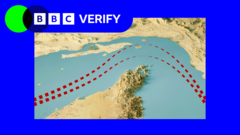
The Strait of Hormuz, a globally vital maritime chokepoint, has recently experienced its first vessel transit following the imposition of a military blockade by the United States targeting Iranian ports. This event marks a critical development in a region already characterized by elevated geopolitical tensions and significant international scrutiny. The waterway, crucial for a substantial portion of the world’s seaborne oil shipments, is under intensified observation as the situation unfolds.
The US-led blockade represents a strategic maneuver intended to exert economic and diplomatic pressure on Iran. Such measures typically aim to disrupt maritime trade, impacting vessels destined for or departing from Iranian port facilities, thereby influencing the country’s economic activities and international relations. The implementation of such a blockade inherently introduces complexities and security concerns for all commercial and military vessels operating within the area.
The successful navigation by a vessel through this heavily monitored strait, subsequent to the blockade’s establishment, is a moment of considerable interest to international shipping, defense analysts, and policymakers. It prompts immediate questions regarding the practical enforceability of the blockade, the protocols being established for international shipping, and the potential implications for the principle of freedom of navigation through international waters. This specific transit offers an initial real-world test of the new operational environment within the strait.
Global maritime agencies and defense establishments are now closely tracking all movements within the Strait of Hormuz. The incident underscores the delicate balance of stability in this pivotal region and emphasizes the continuous requirement for meticulous surveillance and navigation planning. Given the strait’s indispensable role in global energy supply chains, any perceived challenge to its security or unrestricted passage carries considerable economic ramifications worldwide.