


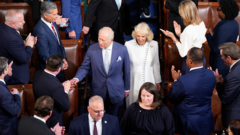
The address by King Charles III to the US Congress represented a pivotal moment in international diplomacy, underscoring the enduring ties between the United Kingdom and the United States. Far from a mere ceremonial delivery, the monarch’s speech was a masterclass in strategic communication, meticulously crafted to navigate a complex diplomatic tightrope. Every word and every thematic emphasis was chosen with precision to convey specific messages without overstepping constitutional boundaries or generating unintended political reverberations.
King Charles III faced the delicate task of reaffirming the “special relationship” while subtly acknowledging the evolving global landscape and the challenges both nations confront. His rhetoric was designed to be both unifying and forward-looking, speaking to shared histories and future aspirations.
Beyond the overt declarations of friendship and common heritage, the speech was rich with subtle messages. For example, specific references to collaborative efforts on climate change, global health initiatives, or security cooperation served not merely as statements of intent but as implicit invitations for intensified partnership. These were artful suggestions, designed to resonate with policymakers and the public, framing the US and UK as indispensable allies in addressing planetary and geopolitical challenges.
Historical allusions, carefully woven into the narrative, were employed to evoke a sense of shared destiny and common values, reminding listeners of an alliance forged through various historical epochs. Such references reinforce the foundational bedrock of the relationship, transcending contemporary political cycles.
The tone of the speech itself carried significant weight. A monarch’s address is expected to be dignified, statesmanlike, and above immediate partisan politics. This neutrality allows for a broader appeal and underscores the continuity of the UK’s commitment to its alliances. King Charles III’s particular emphasis on themes such as sustainability, intergenerational responsibility, and democratic resilience offered insight into the priorities of the modern British monarchy and, by extension, aspects of British statecraft.
Ultimately, the effectiveness of such a high-profile diplomatic address lies in its ability to subtly influence and strengthen bonds through carefully chosen expressions of common purpose, projecting soft power on the global stage while adhering strictly to royal protocol and diplomatic etiquette.