


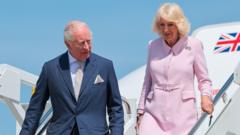
The recent overseas engagement by members of the British Royal Family appears to have garnered a remarkably positive reception, sparking a notable shift in public commentary. Across various media platforms, even commentators typically critical of the monarchy have expressed a surprising degree of approval, seemingly captivated by the events of the tour.
This widespread delight points to a successful demonstration of royal soft power, with the “spectacle” of the visit resonating strongly with international audiences. The engagements, public appearances, and overall presentation evidently struck a chord, portraying an image of relevance and purpose. Such an outcome suggests the royal representatives effectively navigated the complexities of international diplomacy and public opinion, presenting a compelling narrative.
For an institution that frequently faces intense scrutiny regarding its role and future, this overseas venture could signify a vital step in reaffirming its contemporary relevance. The broad approval, extending even to traditional detractors, indicates a successful pivot or a particularly well-executed series of events that managed to transcend existing biases.
This positive international reception raises questions about the long-term impact on the royal brand. It prompts speculation as to whether this tour marks a significant turning point, allowing the monarchy to reassert its influence and connect with a global audience in a meaningful way. The perceived success abroad might indeed suggest a revitalization of their public image and a renewed sense of momentum.