


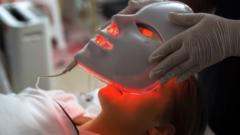
The burgeoning trend of red light therapy, encompassing everything from specialized full-body beds to accessible LED facial masks, has captured significant public interest. Touted for a range of benefits extending beyond its aesthetic warm glow, it’s become a popular subject of discussion in both wellness circles and scientific forums.
Among the primary claims driving this widespread adoption are its purported capabilities in muscle repair and skin rejuvenation. Enthusiasts suggest that exposure to specific wavelengths of red and near-infrared light can aid the body’s natural recovery processes following physical exertion, potentially reducing soreness and inflammation. Similarly, in the realm of skincare, red light devices are frequently marketed as tools to diminish the appearance of fine lines and wrinkles, improve overall skin tone, and stimulate the production of collagen, aiming for a more youthful complexion.
However, the scientific community maintains a cautious perspective on the comprehensive effectiveness of these therapies. While some preliminary research indicates promising potential in specific applications or under controlled conditions, a definitive consensus regarding its broad efficacy across all advertised uses has yet to be firmly established. Many experts highlight the necessity for more extensive and rigorous clinical trials to unequivocally validate the array of benefits claimed by manufacturers and users. The current debate often centers on the strength and consistency of the evidence, with robust, large-scale studies still largely pending to substantiate many of the consumer-level promises.
The theoretical foundation of red light therapy posits that specific light wavelengths penetrate the skin and interact with mitochondria within cells, potentially enhancing cellular energy production and stimulating various biological processes, including circulation and tissue repair. This proposed mechanism underpins the optimistic outlook many have for its therapeutic applications.
Despite the ongoing scientific scrutiny and the call for more conclusive data, the market for red light therapy products continues to expand rapidly. Individuals are increasingly integrating these devices into their personal wellness routines for purposes ranging from athletic recovery to anti-aging, drawn by their non-invasive nature and the convenience of at-home use. Ultimately, while red light therapy presents an intriguing avenue for addressing certain health and beauty concerns, its ability to consistently deliver verifiable results beyond anecdotal experiences remains an active area of research. Consumers are encouraged to approach the trend with a balanced perspective, acknowledging that while the experience may be visually appealing, the full extent of its regenerative powers is still under thorough investigation.