


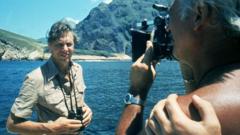
Sir David Attenborough’s profound impact on natural history broadcasting is undeniable, having introduced generations to the planet’s wonders and the urgent need for conservation. His extensive body of work features trailblazing programmes that have redefined our understanding of Earth’s ecosystems and creatures. Here is a look at ten of his most influential documentaries.
**Life on Earth (1979)**
Often regarded as the genesis of the modern natural history series, this groundbreaking program traces the evolutionary history of life on our planet. From the earliest single-celled organisms to complex mammals, Attenborough’s journey explores key moments in Earth’s biological timeline, setting a new standard for wildlife broadcasting.
**The Living Planet (1984)**
Building on his previous work, Attenborough here delves into the incredible ways life adapts to diverse environments. Whether exploring the frozen poles, vast deserts, lush rainforests, or bustling cities, this series showcases the intricate ecosystems that define different habitats across the globe.
**The Trials of Life (1990)**
This series offers an intimate look at the various stages of animal life, focusing on universal challenges such as birth, growth, reproduction, and survival. Attenborough illustrates the myriad strategies creatures employ to navigate their existence, from elaborate courtship displays to ingenious hunting techniques.
**The Private Life of Plants (1995)**
Shifting focus from animals, this unique series uses time-lapse photography and innovative camera techniques to reveal the hidden world of plants. It uncovers their dynamic lives, demonstrating how they compete, hunt, reproduce, and adapt with surprising complexity and vigor.
**The Life of Birds (1998)**
Attenborough dedicates an entire series to the captivating world of avian species. From the majestic albatross to the tiny hummingbird, he explores every aspect of bird behavior, flight, migration, and their remarkable adaptations for survival in diverse environments.
**The Blue Planet (2001) / Blue Planet II (2017)**
Revolutionizing underwater cinematography, these series plunge viewers into the mysteries of the world’s oceans. They unveil astonishing marine life and ecosystems, from the shallowest reefs to the deepest trenches, while also powerfully highlighting the devastating impact of plastic pollution and climate change on these vital environments.
**Planet Earth (2006) / Planet Earth II (2016)**
With unprecedented scale and visual splendor, these landmark series present a comprehensive portrait of Earth’s natural wonders. Employing cutting-edge technology, they transport audiences to every continent, capturing iconic animal behaviors and breathtaking landscapes in stunning high definition.
**Frozen Planet (2011) / Frozen Planet II (2022)**
Journeying to the Earth’s polar regions, this series documents the extraordinary wildlife and fragile ecosystems that thrive in extreme cold. It captures the challenges faced by creatures in these icy realms and serves as a poignant reminder of the dramatic effects of global warming on these crucial environments.
**Our Planet (2019)**
Produced for Netflix, this series brings a powerful conservation message to a global audience. It beautifully illustrates the interconnectedness of Earth’s habitats and emphasizes the critical importance of preserving biodiversity, showcasing the immediate threats posed by human activity.
**A Life on Our Planet (2020)**
Described by Attenborough himself as his “witness statement,” this poignant film offers a retrospective on his career and the drastic changes he has observed in the natural world. It combines personal reflections with stark warnings about climate change and biodiversity loss, while also proposing a hopeful vision for the future.
Many of these seminal documentaries are available to stream on platforms like BBC iPlayer (in the UK), Netflix, Discovery+, or can be found through major broadcasters and digital rental services, varying by region.