


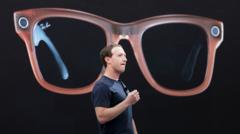
The widespread adoption of smart glasses, spearheaded by tech giants like Meta, is accelerating despite significant public apprehension regarding privacy. Analysts predict millions of these devices will be sold, marking a substantial market expansion for the nascent technology. This surge in popularity occurs concurrently with escalating concerns about the potential for pervasive surveillance and data collection facilitated by wearable cameras. Critics argue that the ubiquitous nature of smart glasses constitutes a fundamental ‘invasion of privacy,’ raising questions about individual autonomy and the security of personal information. However, the commercial success of these devices suggests that for many consumers, the perceived benefits, such as enhanced connectivity and augmented reality experiences, currently outweigh the privacy risks. The industry is pushing forward, aiming to normalize smart glasses as a mainstream consumer product, while privacy advocates continue to call for stricter regulations and greater transparency from manufacturers.
Smart glasses are ‘an invasion of privacy’ – Meta’s are selling better than ever


- Advertisment -