


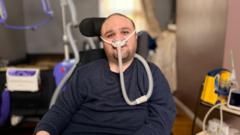
Ravi Mehta, a disabled man, has expressed severe distress, stating he feels he is “rotting” on a hospital ward. He contends that he is medically fit to be discharged but remains hospitalized due to concerns about the potential termination of his care if he were to leave the facility independently.
The NHS care board responsible for his case has asserted that its decisions are not motivated by financial considerations. Despite these assurances, Mehta’s situation highlights a critical issue regarding patient discharge protocols and the provision of ongoing care for individuals with disabilities. The complexity of such cases often involves coordinating complex care packages, ensuring appropriate support systems are in place, and addressing the logistical and financial implications for both the patient and the healthcare provider.
Mehta’s predicament underscores the importance of timely and efficient discharge planning to prevent prolonged hospital stays for patients who are no longer in need of acute medical care but require ongoing support in the community. The fear of losing essential services upon self-discharge can create a significant barrier for individuals seeking to regain independence and improve their quality of life outside of a hospital setting. This situation prompts a closer examination of the processes that govern the transition of care for vulnerable patients and the communication channels between patients, healthcare providers, and social care services.