


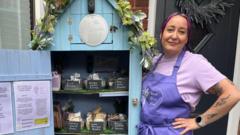
A delightful and often quaint entrepreneurial trend has blossomed across local communities, seeing small, charming structures emerge as popular micro-bakeries. These sweet-filled kiosks, affectionately known as cake sheds or cake cupboards, have not only captured the public’s imagination with their unique, accessible appeal but have also provided a surprising source of significant income for many home bakers. For some, this model has generated impressive weekly revenues, transforming a passion for baking into a viable local business with lower overheads than traditional retail. The success stems from offering fresh, homemade treats directly to neighbours and passers-by, fostering a sense of local charm and community engagement. However, the future of these beloved backyard ventures now faces potential scrutiny. Local authorities are reportedly beginning to examine these popular enterprises, raising questions that could impact their operation. Concerns may involve planning permissions for commercial activity in residential zones, adherence to food hygiene standards, business rate implications, and the broader effect on local amenities. The challenge for these successful micro-bakeries is whether they can navigate evolving regulatory landscapes without losing the simplicity and appeal that made them so popular. The fate of these once-unfettered sweet spots remains uncertain as local governance explores its role in this blossoming home-based economy.
Cake sheds are making bakers £1,000 a week but the dream might be over


- Advertisment -