


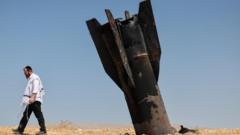
The recent military strike launched by Iran against Israel represents a significant escalation of tensions in the Middle East, with profound implications for regional stability. This assertive action, which involved launching a barrage of missiles and drones, carries substantial geopolitical risks and threatens to undermine ongoing or prospective peace negotiations. The decision by Tehran to engage in such a direct confrontation may reflect a deeper strategic calculation by its leadership.
Analysts are interpreting this move as a strong indicator of how Iran’s leaders currently view their own standing and capabilities. As suggested by BBC Persian editor Amir Azimi, the willingness to jeopardize delicate diplomatic processes points to a growing sense of resilience within the Iranian regime. This implies a calculated assessment where the perceived benefits of demonstrating military resolve outweigh the considerable risks of further international condemnation and potential retaliatory actions.
This apparent shift in posture could be fueled by various internal and external factors. It might signal a belief in the regime’s internal consolidation, its strengthened defense capabilities, or a re-evaluation of its strategic influence across the region. Such an interpretation suggests that Iranian leaders may feel increasingly robust in their capacity to withstand external pressures and pursue their objectives, even when those objectives involve direct military engagement.
The ramifications of this strategic calculus are far-reaching. By openly demonstrating a readiness to challenge existing regional dynamics through direct military force, Iran is signaling a potential redefinition of its operational boundaries and ambitions. This stance presents significant challenges for international diplomatic efforts aimed at de-escalating conflicts and achieving long-term stability in the Middle East, underscoring a more defiant and self-assured posture from Tehran.