


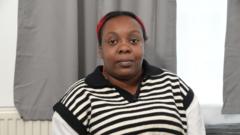
A recent charity-led study has cast a significant new light on the landscape of homelessness in the United Kingdom, revealing a profound discrepancy in how the issue affects women and how it is officially recorded. The census conducted by the charity found that a substantial majority—two-thirds, to be precise—of women identified as experiencing homelessness would not have been counted using the government’s established methodology. This highlights a critical oversight and suggests a significant underestimation of the scale of female homelessness across the nation.
The disparity underscores the often-invisible nature of homelessness for women. Unlike the more visible forms of rough sleeping that government counts typically focus on, many women experiencing housing insecurity are driven to less conspicuous situations for safety and survival. They frequently resort to sofa surfing, staying in precarious temporary accommodations, or moving between the homes of acquaintances, all to avoid the inherent dangers and vulnerabilities of sleeping on the streets. This tendency to remain out of sight means their struggles are often unacknowledged by official statistics, making them effectively hidden within the system.
This uncounted population faces immense challenges. Lacking official recognition, these women often struggle to access the support services and pathways to secure housing that are vital for escaping homelessness. Their experiences often go unheard, contributing to a broader societal misunderstanding of what homelessness looks like beyond the stereotypical images. The emotional and physical toll of such hidden precarity is profound, encompassing increased risks of exploitation, deteriorating mental health, and a prolonged inability to rebuild their lives.
Charities advocate for a more inclusive approach to data collection that captures the diverse realities of homelessness, particularly for women who are disproportionately affected by these ‘hidden’ forms. Without a comprehensive understanding of who is experiencing homelessness and in what circumstances, policy interventions and resource allocation risk being inadequate and misdirected. A re-evaluation of current counting methods is essential to ensure that no individual’s struggle for a safe home remains invisible, allowing for more targeted and effective support for all those in need.