


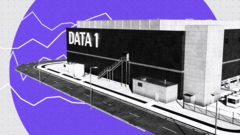
Data centers form the indispensable backbone of our modern digital existence, facilitating everything from global communications and cloud computing to artificial intelligence and streaming services. Yet, the rapid proliferation of these vast digital factories is increasingly shadowed by mounting environmental concerns and local opposition, giving rise to a significant public backlash.
These facilities are characterized by their immense scale and operational demands. Their presence often brings a noticeable physical footprint and a persistent hum from powerful cooling systems, making them increasingly prominent fixtures in various communities. The escalating number and size of these digital powerhouses are driven by our ever-growing reliance on digital technologies, a trend frequently highlighted through various statistical analyses and growth charts.
However, this expansion comes at a substantial environmental cost. Data centers consume prodigious amounts of electricity, making them significant contributors to global energy demands and, consequently, carbon emissions. Many also require vast quantities of water for cooling their intricate server systems, placing considerable strain on local water resources, especially in regions already grappling with scarcity. The constant, low-frequency noise generated by cooling towers and other machinery further adds to the quality of life concerns for residents living nearby.
This confluence of environmental impact and local disruption is fueling a growing movement against their unconstrained development. Communities are increasingly vocal about the visual intrusion, acoustic pollution, and the strain these facilities place on local infrastructure, including power grids and water supplies. The challenge lies in reconciling the undeniable need for advanced digital infrastructure with the urgent imperative for sustainable development and responsible resource management. Innovative solutions focusing on renewable energy integration, enhanced operational efficiency, and more strategic site selection are becoming critical in navigating this complex balance.