


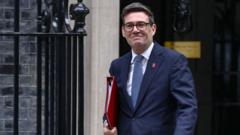
Despite the Prime Minister’s categorical dismissal of an early general election, speculation continues to ripple through Westminster. This persistent conversation among Members of Parliament, even in the face of denials from both government leaders and prominent opposition figures like Andy Burnham, highlights the intricate strategic calculations and underlying pressures influencing the political landscape.
Several factors contribute to this ongoing electoral chatter. Political parties are constantly evaluating their positions, closely monitoring public opinion polls and economic indicators that might create a perceived advantage for an early trip to the ballot box. For the incumbent government, the prospect of an improved economic outlook or the successful delivery of key legislative promises could be seen as an opportune moment to seek a renewed mandate. Conversely, opposition parties remain vigilant for any signs of governmental instability, public discontent, or unresolved national crises that could be leveraged in an earlier contest.
The dynamic nature of parliamentary business also fuels this discourse. A government facing challenges in passing its legislative agenda, or one perceived to be nearing the end of its significant policy proposals, might consider an election as a potential reset mechanism. Furthermore, the current legal framework, following the repeal of the Fixed-term Parliaments Act, grants the Prime Minister greater flexibility in calling an election, which inherently keeps all parties in a state of readiness and constant strategic deliberation. This continuous assessment of political timing and the desire to secure a dominant electoral position ensures that talk of an early general election persists, regardless of official statements to the contrary.