


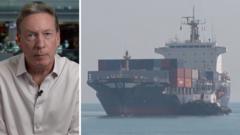
A US-led blockade of Iranian ports would constitute a comprehensive effort to sever the country’s maritime trade, primarily targeting its vital oil exports and access to the global economy. Such an operation would leverage significant naval assets, typically spearheaded by the United States Navy and potentially supported by regional allies. The core mechanism involves establishing a robust naval presence in key waterways, most notably around the Strait of Hormuz, which serves as the entry and exit point for Iranian shipping and a critical global oil transit route.
Surveillance would be paramount, employing sophisticated radar systems, satellite imagery, and aerial patrols to monitor and track all commercial vessels approaching or departing Iranian port facilities. Any ship suspected of violating the blockade, whether by attempting to import prohibited goods into Iran or export Iranian products, particularly crude oil, would face immediate interdiction. This typically entails naval vessels hailing the suspicious craft, demanding identification and cargo manifests, and, if necessary, boarding for inspection.
Non-compliant vessels could be compelled to alter their course, redirected to an allied port for further scrutiny, or potentially seized. The overarching goal is to choke off Iran’s primary source of revenue from oil sales, thereby exerting immense economic pressure on the regime. Simultaneously, the blockade would severely restrict Iran’s ability to import a wide range of goods, from industrial components to consumer products, further impacting its economy and potentially its strategic capabilities. The legal and diplomatic implications of such an action would be considerable, often sparking international debate concerning freedom of navigation and the potential humanitarian impact on the civilian population, though provisions are usually made for the unimpeded passage of essential humanitarian aid like food and medicine. The geopolitical consequences would also be far-reaching, affecting global energy markets and regional stability.