


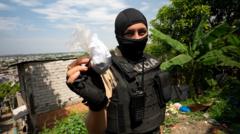
Ecuador has emerged as a critical transit point in the global narcotics trade, serving as a primary conduit for cocaine destined for European markets. This development has transformed the nation into what some observers label a “cocaine superhighway,” a shift that has brought with it a dramatic escalation in drug-related crime and violence.
Law enforcement agencies across Ecuador are grappling with an unprecedented surge in organized criminal activity. The country’s strategic geographical position, with its extensive coastline and major port facilities, has made it increasingly attractive to international drug cartels. These criminal organizations exploit existing infrastructure and, at times, local corruption to move large quantities of illicit substances from production zones in neighboring countries through Ecuador and onto transatlantic routes.
The increased presence and operational scope of these gangs have led to a significant deterioration in public safety. Ecuadorian police forces find themselves on the frontline of this escalating conflict, undertaking patrols and conducting operations aimed at disrupting drug shipments and dismantling criminal networks. Their efforts are a direct response to the widespread impact of drug trafficking, which manifests in various forms of crime, from street-level offenses to sophisticated international smuggling operations. Despite ongoing efforts, the scale of the challenge remains immense, underscoring the complexities involved in combating a deeply entrenched and highly lucrative illicit trade that continues to funnel narcotics from South America to consumers across Europe.