


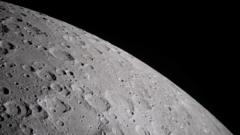
The recent unintended impact of a SpaceX rocket stage with the Moon’s far side has created an unexpected and valuable research opportunity for planetary geologists. While the collision was purely accidental, it represents a unique scientific windfall that could yield crucial data for understanding lunar composition and future space endeavors. Scientists are particularly keen on analyzing the newly formed impact crater and any material ejected from beneath the lunar surface. This event offers a rare chance to probe deeper into the Moon’s geology, potentially revealing insights into its internal structure and the distribution of various elements without requiring a dedicated mission to the specific impact site. The data collected from observing this impact, including seismic readings and analyses of the impact plume, will be instrumental in enhancing our models of lunar processes. Such information is vital for informing the planning and execution of future human and robotic missions to the Moon, providing a deeper understanding of the lunar environment and its resources. This unforeseen celestial event has therefore become a significant point of interest, transforming an accident into a unique scientific gift.
Why some scientists are thrilled that a SpaceX rocket has crashed into the Moon


- Advertisment -