


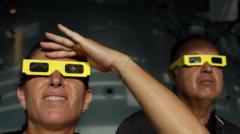
Many people have recently acquired solar eclipse glasses, which are designed to protect eyes from the sun’s intense rays during celestial events. However, these specialized glasses present a unique challenge when it comes to disposal due to the materials used in their lenses. Standard recycling processes are not equipped to handle them, making them difficult to repurpose. Fortunately, there are several alternative options for dealing with these glasses after the eclipse has passed.
One option is to donate them to organizations that collect used eclipse glasses. These groups often send the glasses to astronomers or educators in other countries where eclipses occur less frequently. This allows the glasses to be used again for future astronomical viewing, extending their lifespan and providing educational opportunities. It is important to ensure the glasses are still in good condition and the lenses are free of significant scratches or damage before donating.
Another avenue is to repurpose the glasses for other non-eclipse related solar viewing. While not suitable for direct sun observation without an eclipse, the specialized lenses can sometimes be used for DIY projects that require safe, filtered light. For instance, some crafters or hobbyists might find uses for the dark film in creating art or other visual displays, provided they understand the limitations of the material.
Finally, for those unable to donate or repurpose, safe disposal is the best course of action. While not recyclable through typical municipal programs, some manufacturers or specialized recycling facilities might offer mail-in programs for proper handling. If no such program is available, the glasses should be disposed of in the general waste, ensuring they are not mistaken for regular sunglasses which offer insufficient protection for solar viewing. It is crucial to prioritize eye safety and responsible disposal to minimize waste and maximize the utility of these specialized items.