


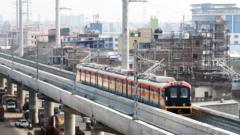
India has embarked on an ambitious journey to modernize its urban transport landscape, investing billions of dollars into an expansive network of metro rail systems across major cities. These state-of-the-art projects aim to alleviate traffic congestion, reduce pollution, and provide efficient public transit for millions. Despite the significant financial outlay and impressive engineering feats, many of these metro lines are struggling to achieve their projected ridership numbers.
The central challenge hindering higher utilization of these massive infrastructure projects revolves around two critical factors. Firstly, the lack of robust “last-mile connectivity” continues to deter potential passengers. While metros provide rapid transit between distant points, commuters frequently encounter difficulties in reaching stations from their homes or workplaces, and subsequently completing their journey from the destination station. Gaps in feeder bus services, inadequate pedestrian pathways, limited options for shared mobility, and a general disconnect with other modes of public transport mean that the journey to and from the metro can often be inconvenient, time-consuming, and expensive. This fragmented travel experience undermines the overall efficiency and appeal of the metro system.
Secondly, the cost of fares plays a significant role in dictating ridership patterns. For a substantial segment of the urban population, particularly daily commuters from lower and middle-income brackets, metro ticket prices can represent a considerable financial burden. When compared to the perceived value and total cost of alternative transport options, even if less efficient or environmentally friendly, the metro often loses out on affordability. This economic barrier prevents a broader demographic from consistently opting for metro travel, despite its potential benefits in terms of speed and comfort.
To fully realize the vision of an interconnected and sustainable urban transport system, a comprehensive approach is essential. This includes developing integrated multimodal transport solutions that seamlessly link metro stations with buses, auto-rickshaws, cycling infrastructure, and pedestrian zones. Simultaneously, metro authorities may need to reassess fare structures, exploring models that balance operational costs with accessibility and affordability for all sections of society, thereby encouraging greater public adoption and ensuring these substantial investments truly serve the populace they were intended for.