


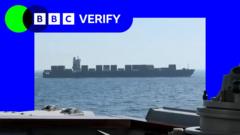
The United States has confirmed the interception of an Iranian vessel as it attempted to enter the strategic waters of the Gulf. This action, publicly acknowledged by US President Donald Trump, is reportedly part of an ongoing naval blockade strategy implemented by American forces in the region. The move underscores the persistent maritime tensions between Washington and Tehran, particularly concerning the free passage of goods and vessels through key international waterways.
The US naval presence in the Gulf has long been a point of contention, with American officials asserting the necessity of these operations to enforce international sanctions and deter perceived threats from Iran. A naval blockade, in this context, typically involves restricting maritime traffic to prevent the flow of specific goods or to isolate a nation economically. While specific details about the seized Iranian ship, its cargo, or its precise intended destination have not been fully disclosed, the incident signals a direct enforcement of this policy.
The interception takes place in a highly sensitive maritime corridor, critical for global oil shipments and international trade. Such actions invariably raise concerns about escalation and regional stability. International observers will be closely watching for further statements from both the US and Iranian governments, as well as potential reactions from allied nations. The incident highlights the intricate and often volatile geopolitical landscape surrounding navigation rights and national sovereignty in the Middle East’s crucial waterways. The implications of this latest development are expected to resonate across diplomatic and security channels, potentially influencing broader international relations and ongoing efforts to de-escalate regional friction.