


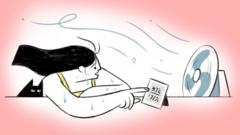
When air conditioning isn’t an option, an electric fan becomes a primary tool in the fight against uncomfortable heat. While a fan doesn’t actually lower the ambient temperature of a room, it can significantly enhance personal comfort by creating a breeze that aids in evaporative cooling from the skin. Understanding how to deploy this simple appliance most effectively can make a substantial difference during warmer periods.
One common tactic is to aim the fan directly at yourself. This is indeed an effective way to maximize its immediate cooling sensation, as the direct airflow helps to evaporate sweat from your skin, making you feel cooler. However, for a more impactful cooling effect on the air itself, a simple trick involves placing a bowl of ice or a frozen water bottle directly in front of the fan. As the fan blows air over the ice, it picks up chilled air particles, creating a makeshift, localized cool breeze that can temporarily lower the temperature in the immediate vicinity.
The strategy regarding windows is crucial and often misunderstood. Opening a window can be beneficial, but only under specific circumstances. If the outdoor temperature is higher than inside, opening windows during the day will likely draw in more heat, making the room warmer. The most effective approach is to utilize cooler night air. By opening windows on opposite sides of a room or house and placing a fan to either draw cool air in or push warm air out, you can create a cross-breeze that helps to ventilate and cool the space overnight. During the hottest parts of the day, it is often more effective to keep windows and blinds closed to trap cooler air inside, using the fan for personal comfort rather than air circulation with the outside.
It’s also important to recognize the limitations of a fan. While excellent for personal comfort, especially when temperatures are below 95°F (35°C), using a fan in extreme heat where the air temperature is higher than body temperature can actually increase heat stress. In such conditions, the fan is essentially blowing hot air over you, potentially accelerating dehydration without providing genuine relief. Therefore, strategic use involves understanding ambient temperatures and adapting your approach accordingly, prioritizing direct airflow for personal cooling or creating localized cool zones with ice when appropriate, and leveraging cooler outdoor air during off-peak hours for broader ventilation.