


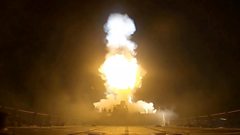
Reports indicate that the White House has formally approached Congress with a request for billions of additional dollars in funding, explicitly earmarked for an “Iran war.” This significant development has immediately sparked intense debate within political circles and raised considerable concern among international observers regarding the future trajectory of U.S.-Iran relations. The substantial financial allocation sought suggests a potential strategic shift, prompting widespread inquiries about whether the long-standing tensions between Washington and Tehran are on the verge of escalating into a renewed, active conflict.
The administration’s request, which has yet to be fully detailed publicly, is anticipated to undergo rigorous scrutiny from lawmakers on Capitol Hill. Discussions are expected to focus not only on the sheer scale of the funding but also on the specific operational objectives and strategic justifications underpinning such a major military expenditure. Critics are likely to question the timing and necessity of this move, particularly given the complex geopolitical landscape in the Middle East and the potential for broader regional destabilization.
Proponents of the funding, presumably from within the administration, may assert that the allocation is a crucial measure to deter aggression, safeguard U.S. interests, or prepare for potential contingencies in an increasingly volatile region. However, the direct use of the term “Iran war” in the funding request itself has proven particularly impactful, hinting at a more confrontational approach than previous diplomatic or economic pressure tactics. Many observers interpret this as a stark indicator that the previously simmering tensions between the two nations could be entering a more critical phase, potentially signaling a significant re-evaluation of existing engagement strategies. The coming weeks are expected to bring further clarity as Congress deliberates on the request, thereby shaping the narrative around what could be a pivotal moment in global foreign policy.