


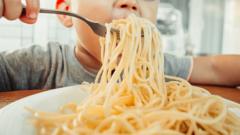
Italy, a nation long celebrated as the birthplace of the healthy Mediterranean diet, now confronts a stark and concerning health paradox. Despite a rich culinary heritage centered on fresh produce, olive oil, and balanced meals, World Health Organization data indicates that Italian children are increasingly among the most overweight in Europe. This shift marks a significant departure from the traditional eating patterns that once served as a global blueprint for well-being.
The traditional Mediterranean diet, characterized by its emphasis on vegetables, fruits, legumes, whole grains, nuts, and healthy fats like olive oil, alongside moderate consumption of fish and lean meats, promoted both nutritional health and an active lifestyle. However, contemporary dietary habits in Italy have undergone considerable transformation, contributing to rising childhood obesity rates.
Key staples such as pizza and pasta, once prepared with whole ingredients and consumed in balanced portions, are now frequently encountered in highly refined forms, larger servings, and often accompanied by calorie-dense sauces and toppings. The convenience of processed foods has led to a reduction in home cooking, where portion control and ingredient quality are more easily managed. Similarly, potatoes, traditionally prepared simply and often as part of a vegetable-rich meal, are now more commonly consumed as fried items or processed snacks, adding unnecessary fats and sodium to children’s diets. Protein consumption has also shifted, with an increased reliance on processed meats and larger portions of red meat, moving away from the more balanced intake of lean proteins and plant-based options historically embraced.
Beyond these changes in core food groups, the modern Italian child’s diet is also heavily influenced by the pervasive availability of sugary beverages, high-fat snacks, and confectionery, which were largely absent from traditional eating habits. These items contribute significantly to excess calorie intake without providing substantial nutritional value.
Compounding these dietary shifts is a pronounced decline in physical activity. Children are spending less time engaged in outdoor play and sports, and more time in sedentary activities involving screens. This reduction in energy expenditure, combined with higher caloric intake from altered diets, creates an imbalance that promotes weight gain. Socio-economic factors, including demanding parental work schedules and the aggressive marketing of unhealthy foods, further influence family eating habits, making it challenging to adhere to the healthy practices once synonymous with Italian culture. Addressing this growing public health challenge requires a concerted effort to re-emphasize traditional dietary principles and promote active lifestyles among the younger generation.